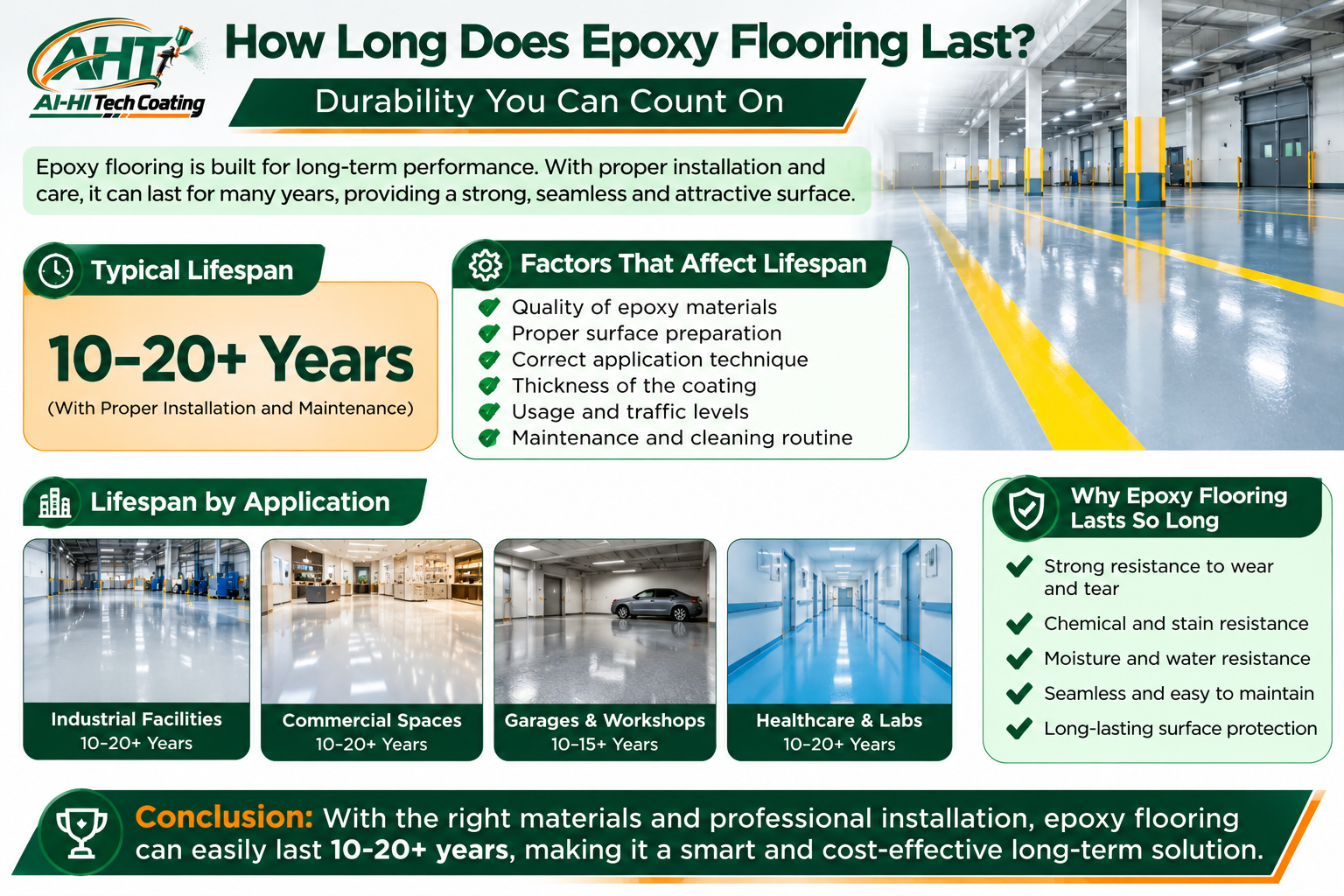
A properly designed and professionally installed epoxy flooring system can provide years of durable performance in industrial, commercial and high-traffic environments. However, the actual service life depends on the type of epoxy system, surface preparation, floor usage, environmental conditions and regular maintenance.
Understanding epoxy flooring lifespan
There is no single lifespan that applies to every epoxy floor. A lightly used commercial area will experience very different conditions from a busy factory, warehouse, automobile workshop or manufacturing facility.
As a general guide, professionally installed epoxy flooring can provide approximately 5–10 years or more of service in many commercial and industrial applications. With the right system specification, excellent surface preparation and proper maintenance, some installations can perform for considerably longer.
The key is not simply choosing a high-quality epoxy product. The complete flooring system must be selected according to the conditions the floor will face every day.
What determines the life of an epoxy floor?
Several factors directly affect the performance and durability of epoxy flooring.
| Factor | Effect on flooring life |
|---|---|
| Surface preparation | Strong adhesion and reduced risk of peeling |
| Epoxy system & thickness | Determines mechanical and abrasion resistance |
| Traffic & load | Forklifts and heavy equipment increase wear |
| Chemical exposure | Requires a system compatible with the chemicals used |
| Moisture | Excess moisture can cause blistering or delamination |
| Installation quality | Correct mixing and application are essential |
| Maintenance | Regular cleaning helps preserve the coating |
1. Surface preparation
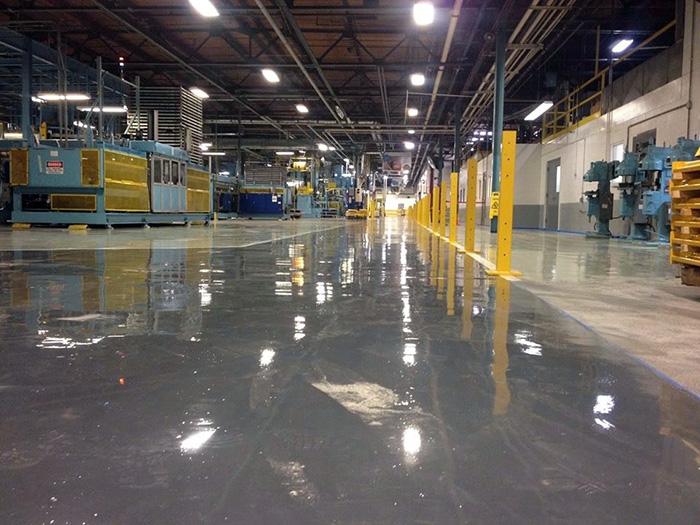
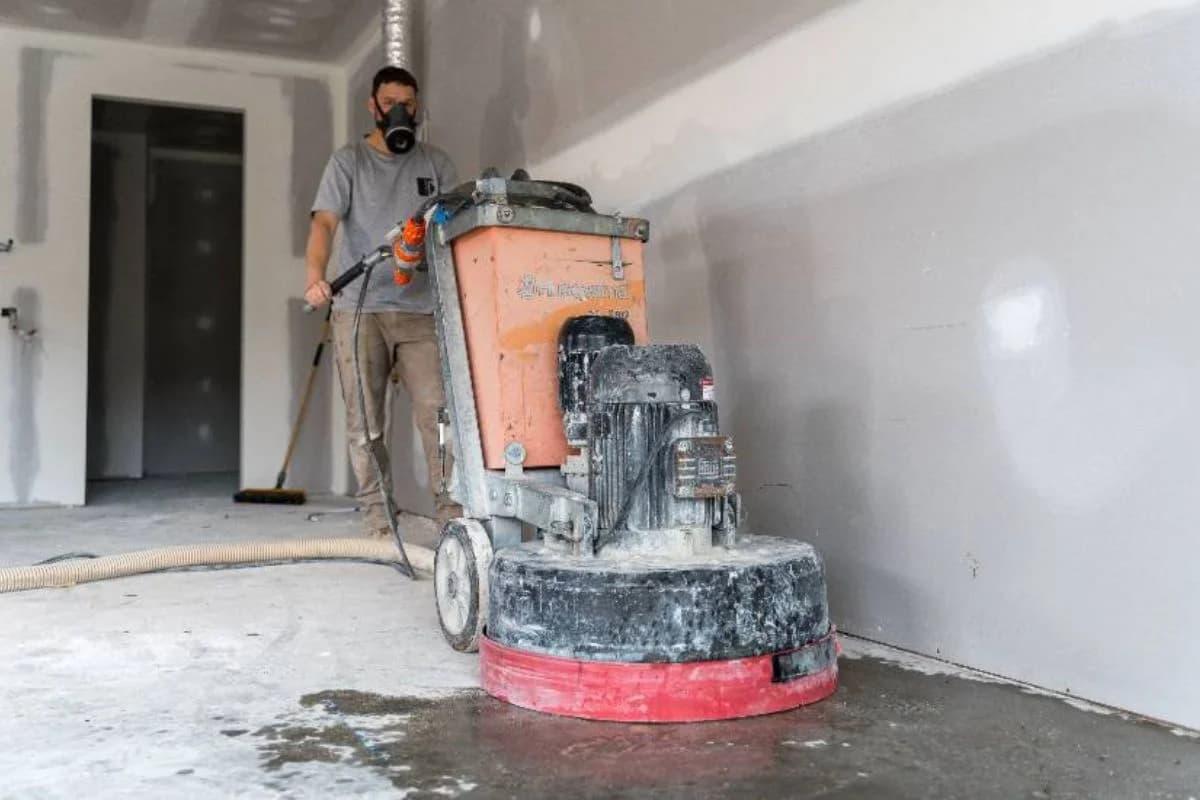
Surface preparation is one of the most important stages of an epoxy flooring project.
Before applying epoxy, the concrete surface should be properly cleaned and mechanically prepared. Dust, oil, grease, weak concrete, existing coatings and other contaminants can prevent proper adhesion.
Grinding or other suitable mechanical preparation creates the required surface profile for the coating system.
A high-quality epoxy product cannot compensate for poor surface preparation.
2. Choosing the right epoxy system
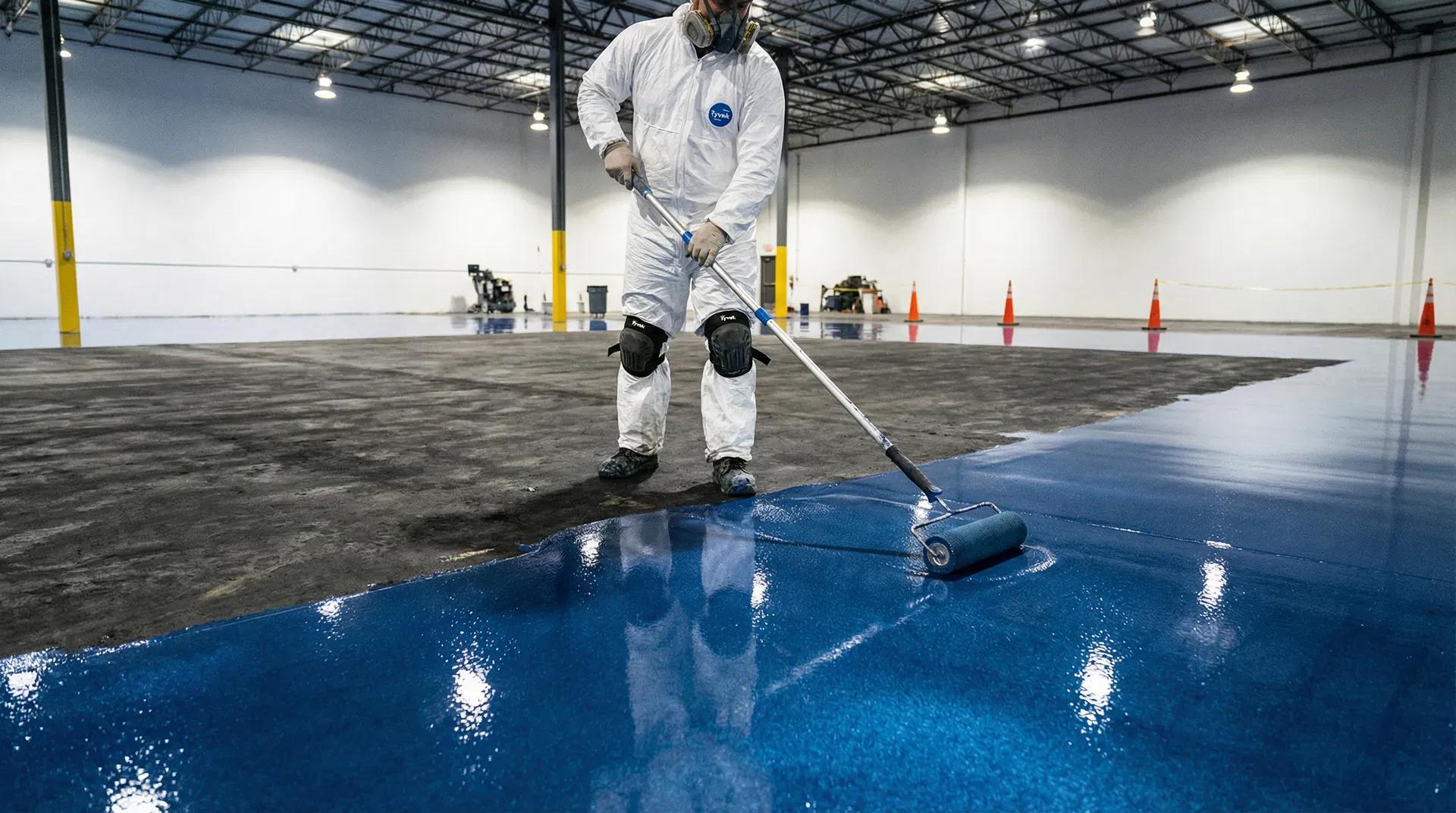
Not all epoxy flooring systems are designed for the same conditions.
A light-duty coating may be suitable for areas with normal pedestrian traffic, while factories, warehouses, workshops and manufacturing facilities may require a higher-build or heavy-duty flooring system.
The system should be selected according to:
Traffic intensity
Load and equipment
Required thickness
Chemical exposure
Abrasion resistance
Slip resistance
Cleaning requirements
Operating environment
For industrial applications, products such as self-leveling and high-build epoxy systems can provide enhanced durability when correctly specified and installed.
3. Traffic and heavy equipment
The amount and type of traffic have a major impact on flooring life.
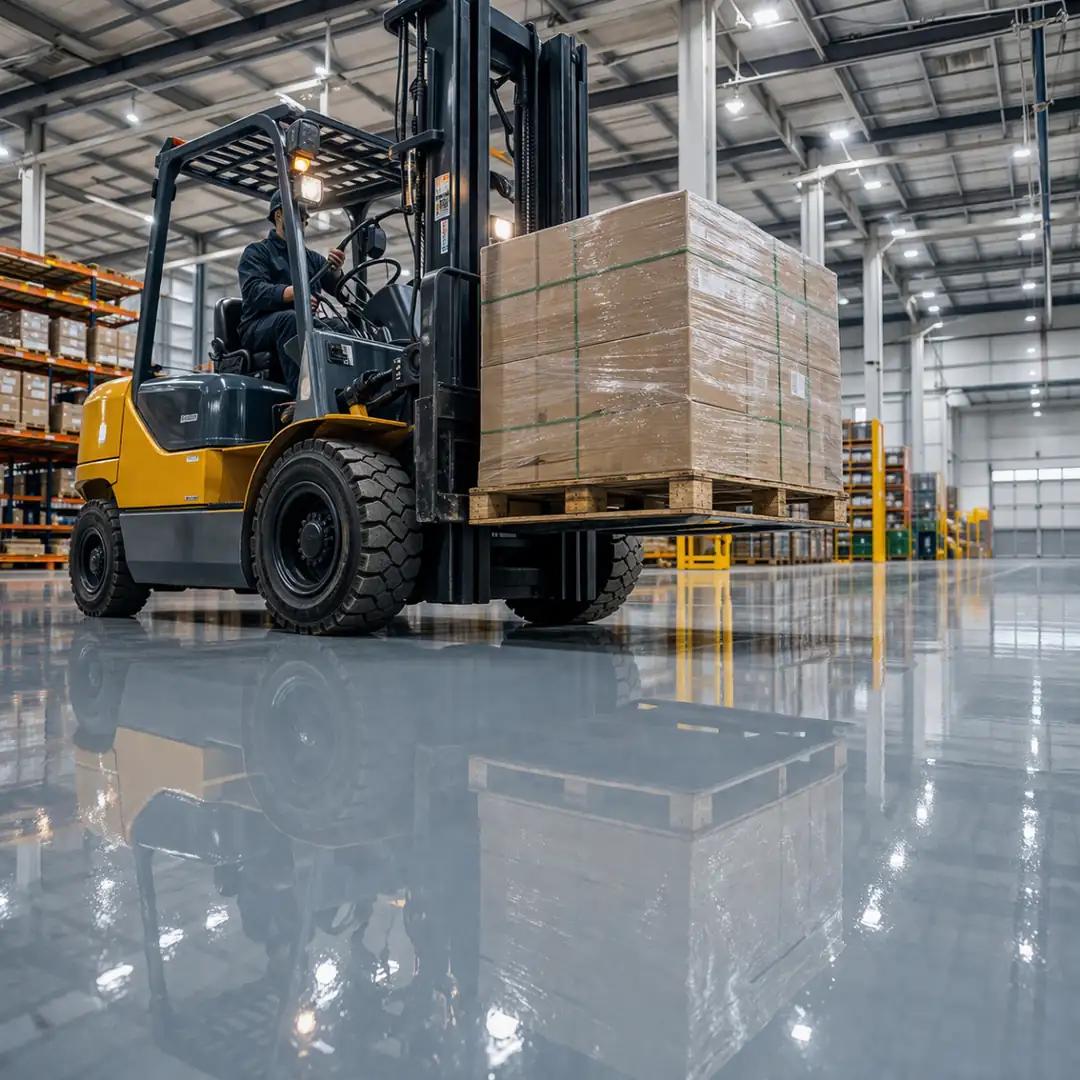
A showroom or office floor may experience mainly pedestrian traffic, while an industrial facility may have:
Forklifts
Pallet trucks
Heavy machinery
Vehicles
Steel or hard wheels
Repeated turning and braking
Areas with concentrated traffic can show wear earlier than less-used sections of the same floor.
For these environments, selecting an appropriate industrial flooring system and thickness is essential.
4. Chemical and environmental exposure
Industrial floors can be exposed to oils, fuels, solvents, cleaning chemicals, acids, alkalis and other substances.
Epoxy provides resistance to many chemicals, but chemical resistance depends on the specific formulation and exposure conditions.
Before selecting a coating, the expected chemicals, concentration, temperature and duration of exposure should be considered.
In areas exposed to UV radiation or outdoor weathering, the complete coating system should also be selected accordingly.
5. Moisture and concrete condition
Moisture is another important consideration.
If an epoxy system is installed over a concrete slab with unsuitable moisture conditions, problems such as blistering, bubbling or delamination can occur.
The condition of the concrete should therefore be assessed before installation, and the flooring system should be selected according to the site conditions.
6. Professional installation
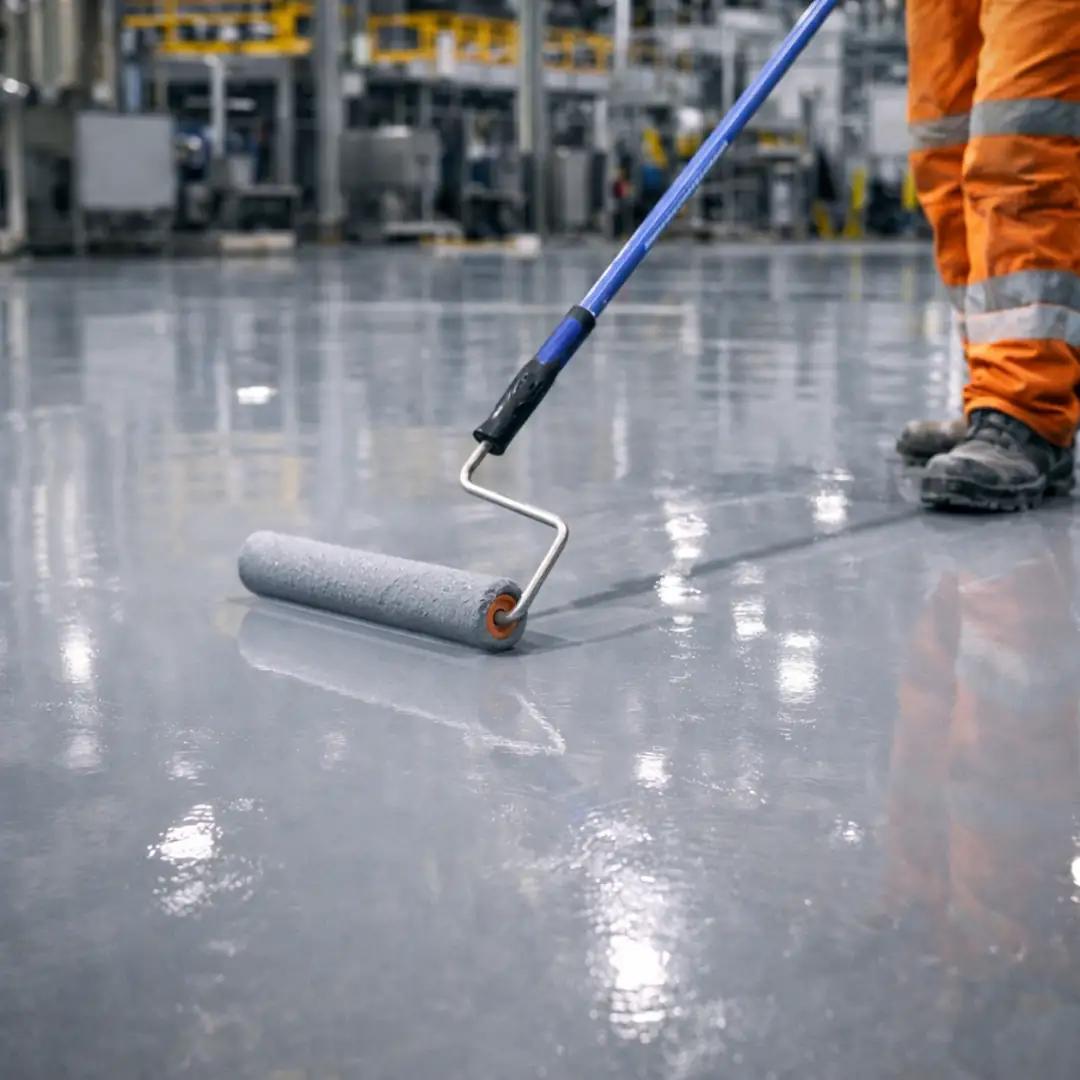
Correct application is just as important as choosing the right material.
The installation process generally includes:
Surface inspection → Mechanical preparation → Cleaning → Crack/joint treatment → Primer → Epoxy application → Additional coats/topcoat → Curing
Mixing ratios, pot life, application thickness, recoat intervals, temperature and humidity conditions must be controlled according to the manufacturer's technical requirements.
Small shortcuts during installation can significantly reduce the expected service life of the floor.
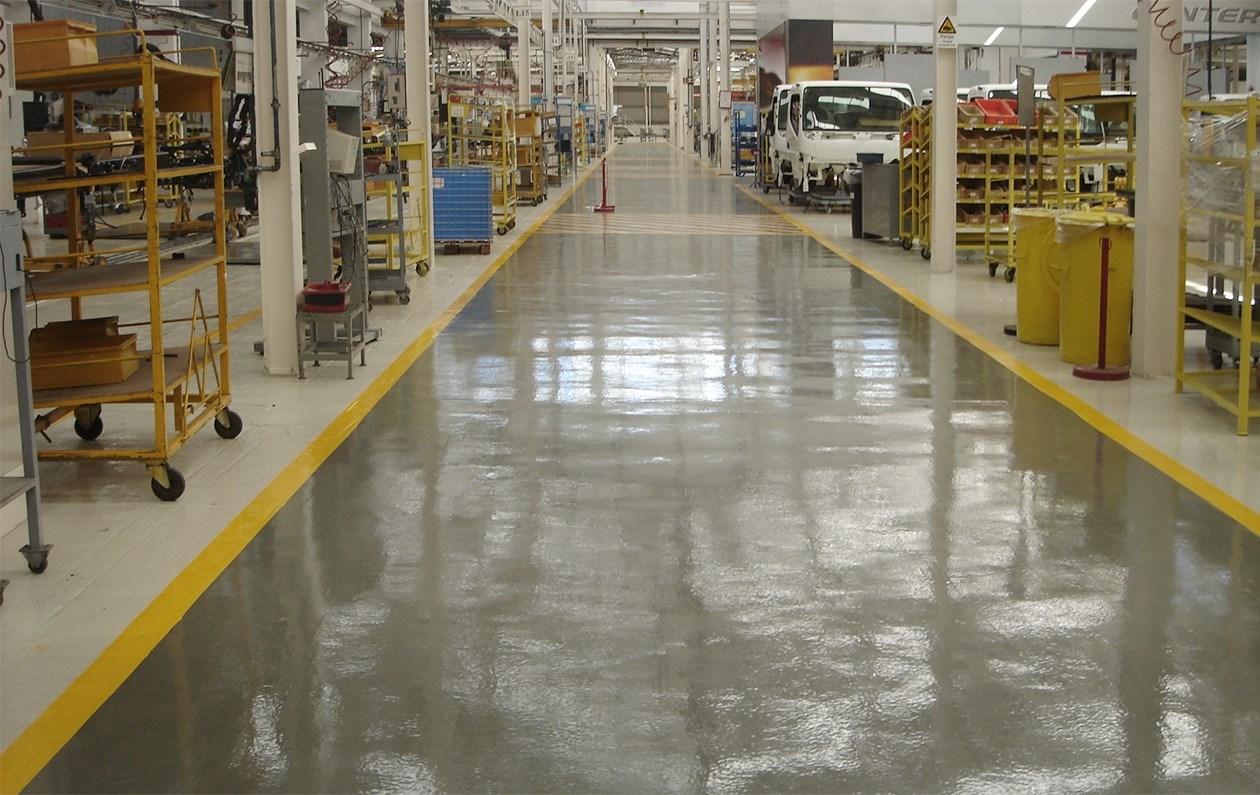
How to make epoxy flooring last longer
Regular maintenance can help preserve both the appearance and performance of an epoxy floor.
Recommended practices
Clean the floor regularly
Remove chemical or oil spills promptly
Avoid dragging heavy metal objects across the surface
Repair damaged areas before they become larger
Inspect high-traffic areas periodically
Follow the recommended cleaning procedure
Use the appropriate flooring system for the operating environment
Early maintenance can help prevent small areas of damage from developing into larger flooring problems.
When should an epoxy floor be repaired or recoated?
Signs that a floor may require professional attention include:
Peeling or delamination
Cracks
Blisters or bubbles
Excessive wear in traffic lanes
Loss of coating
Damage around joints
Areas where the concrete has become exposed
A professional inspection can determine whether localized repairs, recoating or a complete flooring system is required.
How long does epoxy flooring last?
There is no universal number because every project is different.
Under moderate commercial or industrial conditions, a properly specified and professionally installed epoxy flooring system can commonly provide 5–10 years or more of service, while suitable high-performance systems can achieve longer service lives when the substrate, system design, installation and maintenance are all properly managed.
The most important factor is therefore not simply the age of the floor, but whether the flooring system was designed for the conditions it experiences every day.
The AHT approach
At AHT – AI-HI Tech Coating, we focus on selecting the right flooring and coating system according to the requirements of each project.
From surface preparation and material selection to application and finishing, every stage plays an important role in achieving a durable and long-lasting floor.
Whether you require flooring for a factory, warehouse, automobile workshop, commercial facility, showroom or industrial plant, the correct system can help improve durability, cleanliness, safety and long-term performance.
Need professional epoxy flooring for your facility?
Contact AHT – AI-HI Tech Coating for professional industrial flooring, epoxy flooring and protective coating solutions tailored to your project requirements.
Right system. Proper preparation. Professional application. Long-lasting performance.